SUSTAINABILITY


What the abundance of our supermarkets hides about the true meaning of a sustainable food system
Abundance has become a symbol of convenience, but what does it take to keep supermarket shelves permanently full? The Full Shelf Paradox explores the hidden environmental costs of food abundance, from intensive agriculture and global supply chains to the resources consumed in maintaining the illusion of endless choice. A closer look at the difference between a food system that appears resilient and one that is genuinely sustainable.
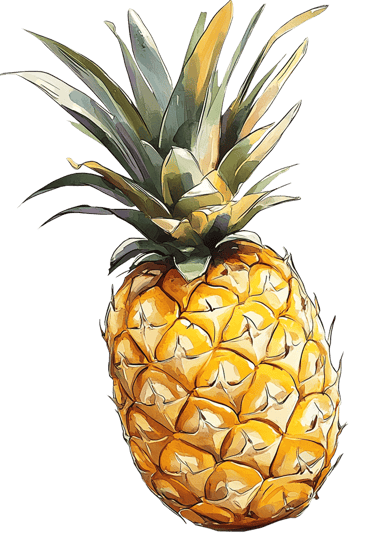
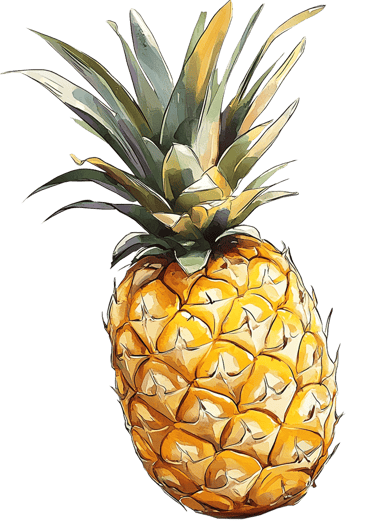
Can the by-products of pineapple farming help fight climate change? This article explores how Piñatex—a textile made from pineapple leaf fibres—is reshaping sustainability in fashion by turning agricultural waste into eco-friendly alternatives to leather.
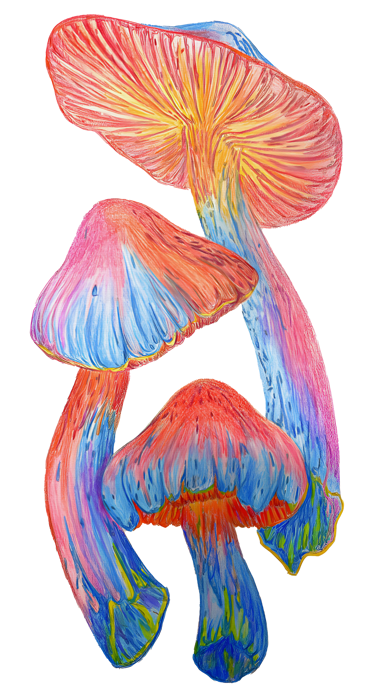
In a world where sustainability is no longer a luxury but a necessity, the quest for innovative materials has taken a fascinating turn towards the fungal kingdom. With concerns about environmental degradation and the depletion of natural resources looming large, the emergence of materials made from mushrooms, particularly mycelium, has sparked a wave of fungal fascination in eco-conscious circles. But what makes mycelium so revolutionary? Let’s delve deeper into this exciting development and explore the potential of the mushroom revolution.
ADVERTISEMENT